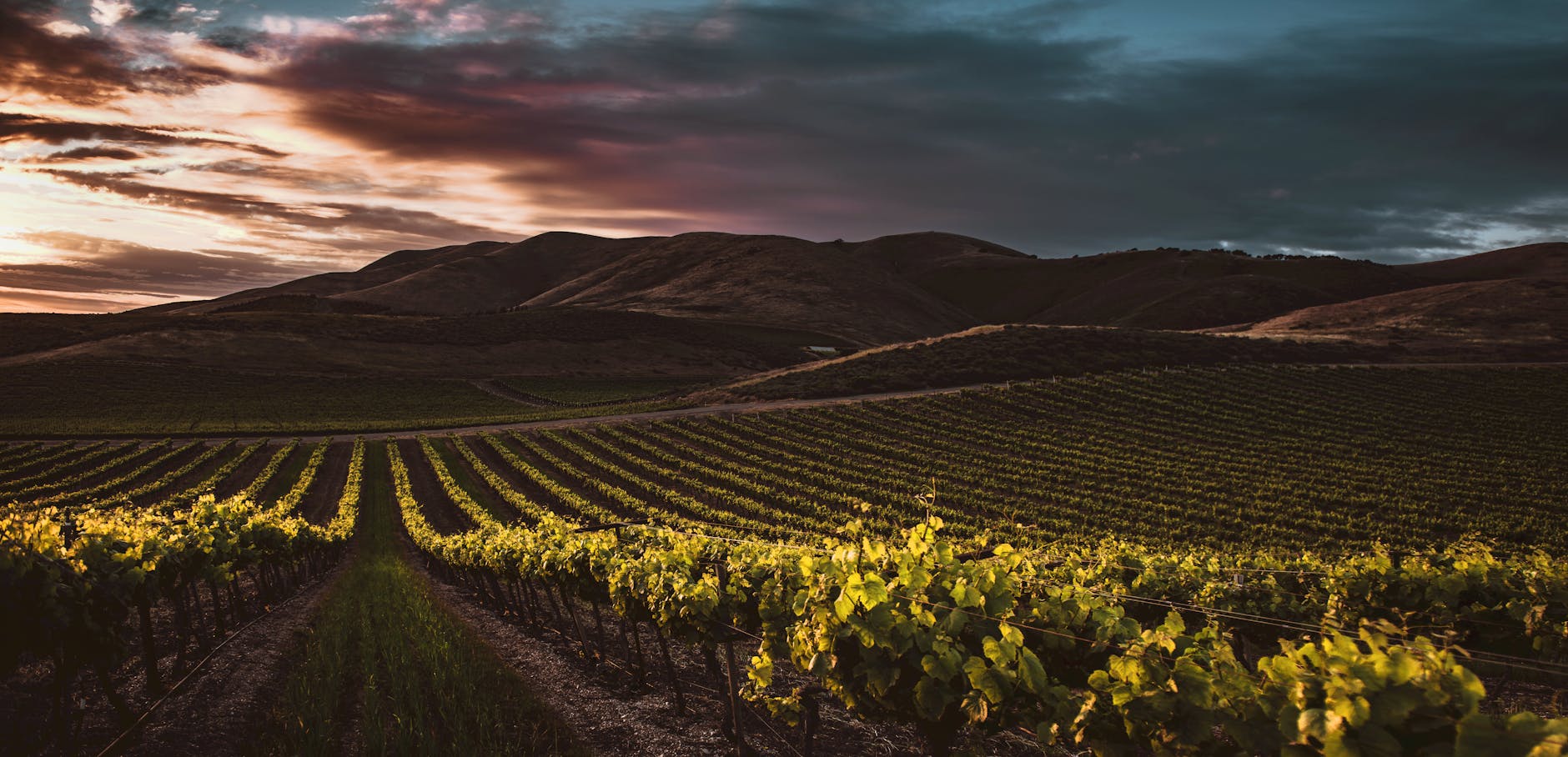
Two roads run the length of Napa Valley. One of them, Highway 29, is the one almost everyone takes. It threads through the downtowns of Yountville, Oakville, Rutherford, and St. Helena, lined with marquee names and, on a Saturday in summer, bumper-to-bumper traffic. The other road runs parallel, a mile or two to the east, hugging the base of the Vaca Mountains. It is called the Silverado Trail, and locals will tell you it is the better drive.
The Silverado Trail stretches roughly twenty-nine miles from the edge of the city of Napa in the south to Calistoga in the north. It was paved in the early twentieth century along the route of an old wagon road that once carried silver ore down from a mine on Mount Saint Helena, which is where the name comes from. Today it carries a steady but far thinner stream of cars than its busier sibling to the west, and it passes some of the most serious vineyards in the valley.
Why Locals Prefer the Eastern Route
The appeal of the Silverado Trail comes down to a few simple things. It is faster, because it has fewer stoplights and fewer left-turn bottlenecks. It is prettier, because it runs along the rising eastern hills rather than through a string of town centers. And it tends to attract a different kind of visitor, one who has done a little homework and is seeking out specific wineries rather than simply pulling over at whatever sign appears next.
There is also a meaningful difference in the wine. The eastern side of the valley sits in the afternoon shadow of the Vaca range and catches different sun exposure than the western benchlands. The soils here, particularly the volcanic and alluvial mixes around Stags Leap and Coombsville, give the Cabernets a distinctive character. Many tasters describe the eastern-side wines as having a particular combination of power and polish.
Start in the South: Coombsville and Stags Leap
If you begin at the southern end of the Trail, the first appellation you encounter is Coombsville, a cool, bowl-shaped region just east of the city of Napa. It earned its status as a distinct American Viticultural Area in 2011 and remains one of the valley's best-kept secrets, with a scattering of small, appointment-only producers making elegant, structured wines.
Continue north and you reach the Stags Leap District, perhaps the most famous stretch of the entire Trail. This is the appellation whose wine beat the great chateaux of Bordeaux at the 1976 Paris Tasting, the event that put Napa Valley on the global map. The palisades, a dramatic wall of volcanic rock, rise above the vineyards here and create the sheltered microclimate responsible for the district's signature silky, perfumed Cabernets.
This is the place to slow down. The wineries clustered here include some of the most storied names in California wine, and a tasting in the Stags Leap District is, for many visitors, the highlight of any trip up the Trail.
The Middle Stretch: Oakville and Rutherford from the East
As the Trail continues north, it runs along the eastern edge of the Oakville and Rutherford appellations. These names are most associated with the famous benchland vineyards on the western side of the valley, but the eastern hillsides produce their own remarkable fruit, often from steeper, rockier sites that yield smaller, more concentrated berries.
This middle section is where you find the famous Rutherford Dust, the term locals use for the distinctive earthy, dusty quality that marks Cabernet from this stretch of the valley floor. It is a flavor you start to recognize once someone points it out, and tasting it side by side from a few different producers is one of the small pleasures of a day spent on the Trail.
The Northern End: Calistoga's Volcanic Soils
The Trail terminates near Calistoga, the valley's northernmost town and its warmest. Daytime temperatures here can run several degrees hotter than in Carneros to the south, and the wines reflect that, showing riper, more opulent fruit. The soils are heavily volcanic, a legacy of the ancient eruptions of Mount Saint Helena, and they lend the wines a particular intensity.
Calistoga is also where the Trail's character shifts from pure wine country to something a little more eclectic. The town is known for its hot springs, mud baths, and a relaxed, slightly bohemian atmosphere that makes it a natural place to end a day of tasting. More than one visitor has discovered that a soak in a geothermal pool is the perfect antidote to an afternoon of Cabernet.
How to Drive the Trail
The single most important piece of advice for the Silverado Trail is the same one that applies anywhere in Napa: plan around the drinking. Wine country tasting and driving do not mix, and law enforcement takes the issue seriously. The smartest approach is to hire a driver or join a small-group tour, which frees everyone to taste without watching the clock or counting pours.
If you are driving yourselves, designate a driver in advance and have them taste sparingly or use the dump bucket, which no one at a serious winery will think twice about. Build in a real lunch, not just a snack, somewhere in the middle of the day. And pace yourselves to three or four wineries at most, because tasting fatigue is real and the wines start to blur together by the fifth or sixth stop.
Reservations are now the norm rather than the exception across the valley, and that is doubly true for the smaller, more exclusive estates along the Trail. Book at least two weeks ahead in the spring and summer, and a month or more during harvest, which runs from roughly August through October and is the busiest and most exciting time to visit.
When to Go
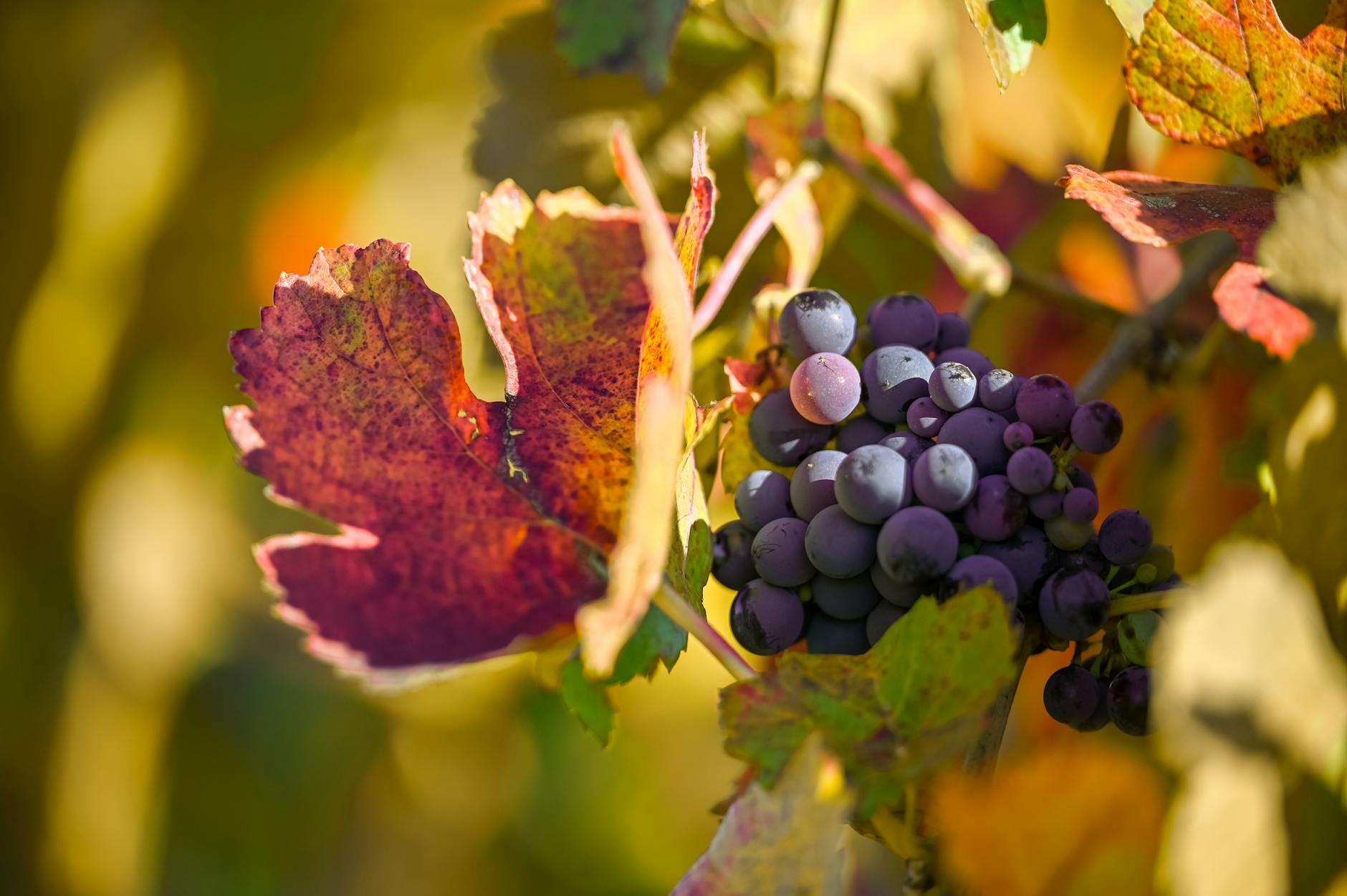
Every season on the Silverado Trail has its character. Spring brings the bright yellow mustard blooms between the vine rows and a sense of the valley waking up. Summer is warm, long, and golden, ideal for terrace tastings but also the most crowded stretch of the year. Harvest, in the early autumn, is electric, with the smell of fermenting grapes in the air and the wineries humming with activity.
Winter, though, may be the connoisseur's secret. The crowds thin out, the hillsides turn green, the winemakers are relaxed and often present in the tasting rooms, and you can frequently get an appointment at an estate that would be fully booked in July. For a quieter, more personal experience of the Trail, the months after the holidays are hard to beat.
However you approach it, the Silverado Trail rewards the visitor willing to take the road less traveled. Spend a day here and you will understand why the locals quietly steer their out-of-town guests east, away from the crowds, toward the hills, and into the heart of what makes Napa Valley wine country worth the trip. For help planning the rest of your visit, our complete tasting guide covers everything from etiquette to budgeting.