Say the words Napa Valley to almost anyone in the world of wine, and one grape comes to mind before any other: Cabernet Sauvignon. It is the variety that made the valley famous, the wine that fills the cellars of serious collectors, and the bottle that commands prices rivaling the great estates of Bordeaux. But what is it about this particular grape, grown in this particular place, that has earned such devotion? This is a deep dive into the wine at the heart of Napa Valley.
Understanding Napa Cabernet means understanding three things together: the grape itself, the land it grows on, and the choices the people make in the vineyard and the cellar. None of them alone explains the wine. It is the way they combine that produces something the world is willing to pay a premium for.
The Grape Itself
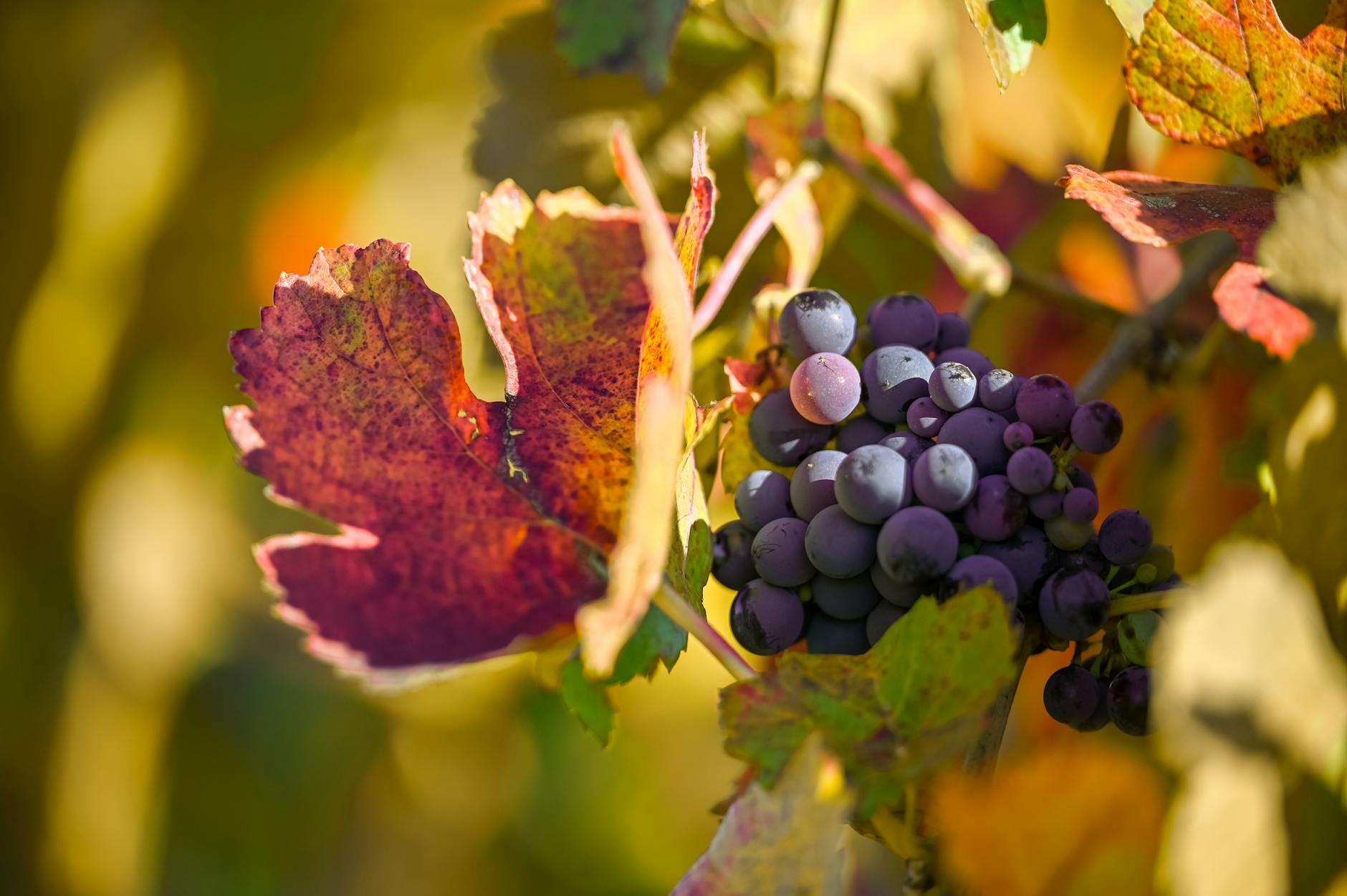
Cabernet Sauvignon is a thick-skinned, late-ripening black grape that originated in Bordeaux. Those thick skins are the source of much of what people love about the wine: deep color, firm tannin, and the structure that allows the best examples to age and improve for decades. The grape is naturally high in tannin and acid, which is exactly why it both demands a warm climate to ripen fully and rewards careful handling to tame its power.
On its own, Cabernet can be austere and tightly wound. That is part of why winemakers in Bordeaux and Napa alike often blend it with smaller amounts of other varieties, most commonly Merlot, Cabernet Franc, Petit Verdot, and Malbec, to round out the mid-palate and soften the edges. A wine labeled Cabernet Sauvignon in California must be at least seventy-five percent of that grape, which leaves room for these traditional blending partners to play a supporting role.
Why Napa Valley Is So Well Suited to It
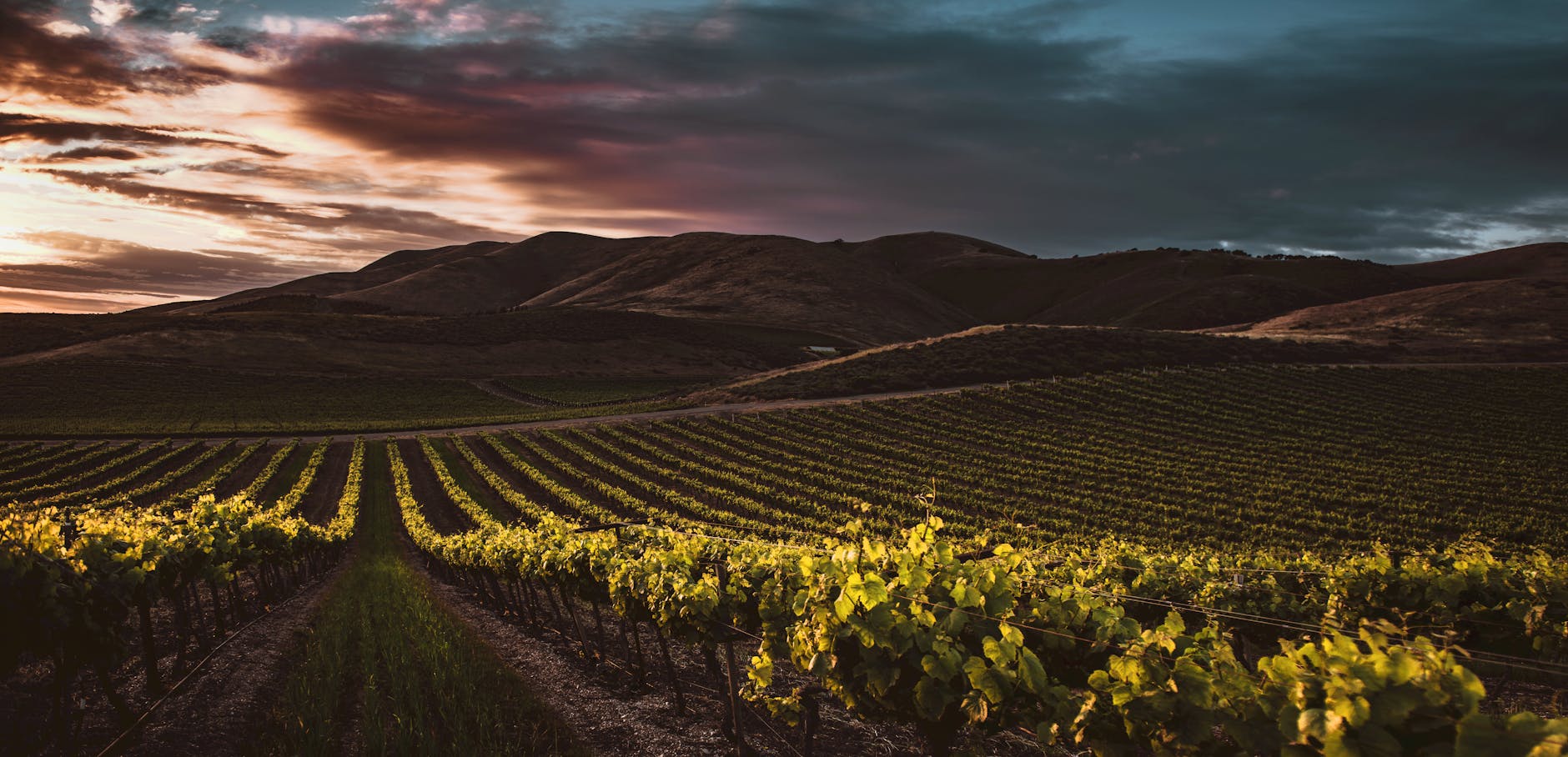
Napa Valley occupies a narrow strip of land that happens to offer nearly ideal conditions for ripening Cabernet Sauvignon. The climate is warm and reliably sunny through the long growing season, which lets the thick-skinned grapes reach full ripeness. Yet the valley is also moderated by cool air and fog drawn in from San Pablo Bay to the south, which drops nighttime temperatures and preserves the acidity that keeps the wines balanced rather than flabby.
This combination, warm days for ripeness and cool nights for freshness, is the climatic foundation of Napa Cabernet. Add a long, dry autumn that allows growers to leave the fruit on the vine until it is perfectly ripe, and you have a recipe that very few wine regions on earth can match for this particular grape.
Geology plays its part as well. Napa Valley is famous among wine scientists for its astonishing diversity of soils, the product of ancient volcanic activity and the gradual erosion of the mountains on either side. Within a few miles you can find well-drained gravelly benchland, rich valley-floor loam, and rocky volcanic hillsides, each of which stamps its own character on the wine.
The Importance of Place
This is where the idea of appellation becomes essential. Napa Valley contains sixteen smaller official growing regions, each with its own combination of soil, elevation, and climate, and each tending to produce Cabernet with a recognizable personality.
Cabernet from the Oakville and Rutherford benchlands, in the heart of the valley, is often described as the classic Napa style: rich, structured, and built to age. The Stags Leap District, on the eastern side, is known for a silkier, more perfumed elegance. Mountain fruit from places like Howell Mountain, Mount Veeder, and Diamond Mountain tends to be denser and more powerfully tannic, the result of stressed vines clinging to rocky slopes. And the warm northern end around Calistoga pushes ripe, opulent fruit.
The Hand of the Winemaker
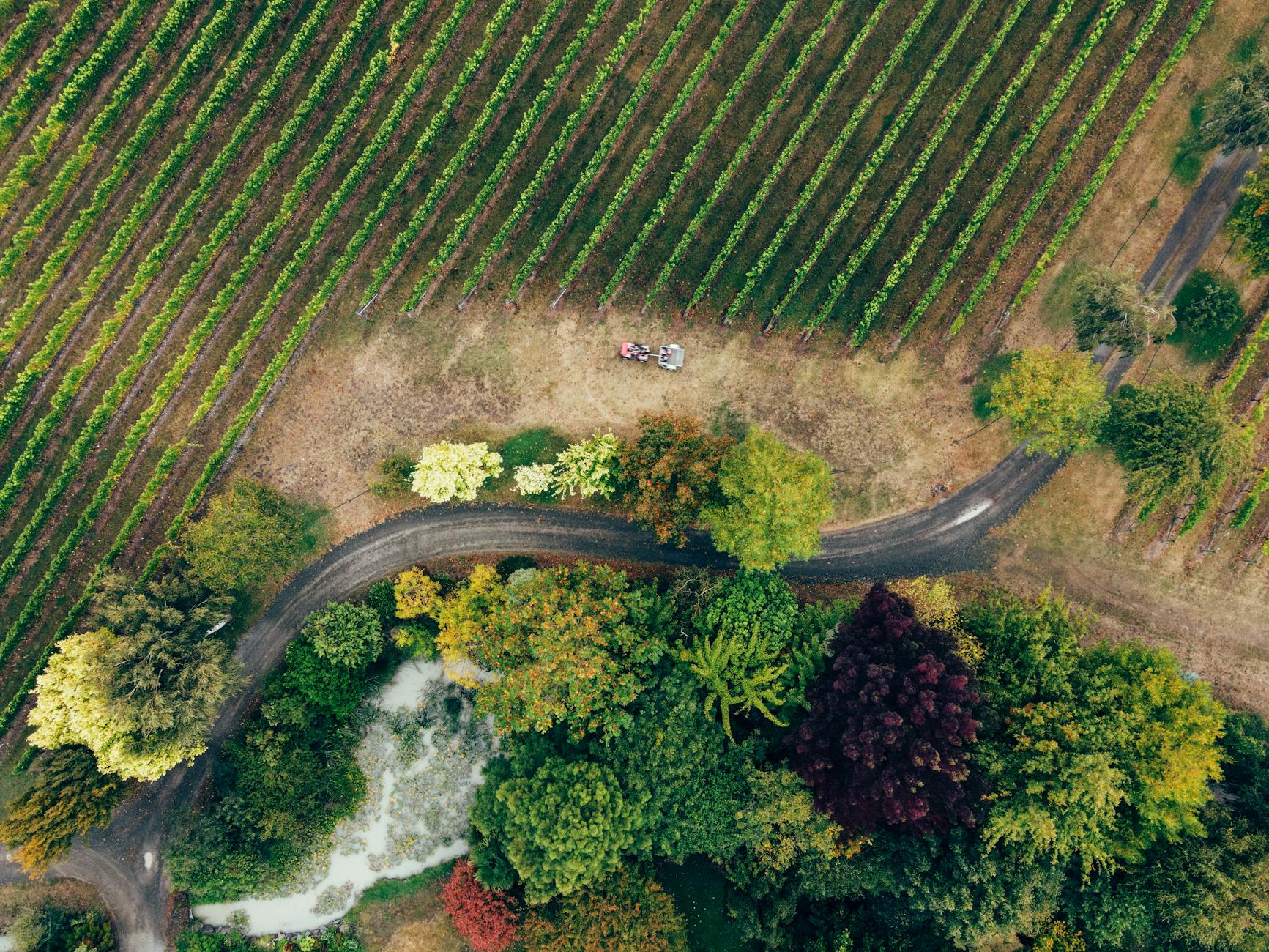
Climate and soil set the stage, but human decisions determine the final performance. In the vineyard, choices about where to plant, how to prune, how much fruit to leave on each vine, and exactly when to pick all shape the raw material. Lower yields generally concentrate flavor, which is one reason the finest Napa Cabernets are also among the most expensive to produce.
In the cellar, the winemaker decides how long to ferment the wine on its skins, drawing out color and tannin, and how to age it afterward. Most serious Napa Cabernet spends a year or more in oak barrels, often a significant proportion of them new French oak, which contributes notes of vanilla, spice, and toast and helps soften the tannins through slow exposure to small amounts of air.
The art lies in restraint and balance. Too much extraction or too much new oak can overwhelm the fruit; too little can leave the wine thin. The most admired winemakers are the ones who can read a vintage and make the dozens of small calls that let the character of the site shine through.
What to Look for in the Glass
A well-made Napa Cabernet is typically deep and dark in color, with aromas that can range from blackcurrant and black cherry to cedar, tobacco, dried herbs, graphite, and chocolate. On the palate it should feel full-bodied and structured, with firm but ripe tannins that give the wine grip without harshness, and enough acidity to keep it lively. In a young wine the tannins can feel grippy and the fruit primary; with age, the wine softens and develops more complex savory and earthy notes.
This capacity to age is one of the defining features of fine Cabernet. While many wines are best drunk young, a top Napa Cabernet from a good vintage can continue to improve in the bottle for ten, twenty, or even thirty years, slowly trading its youthful fruit for layers of complexity. That ageability is a large part of why these wines are collected and cellared rather than simply consumed.
Tasting Cabernet in the Valley
The best way to understand Napa Cabernet is to taste it across the valley, comparing the same grape from different appellations side by side. Visit a benchland estate in Oakville, then a mountain producer on Howell Mountain, then a Stags Leap District winery, and the differences that can sound abstract on the page become vivid in the glass. Many wineries offer flights designed expressly to highlight these distinctions.
However you explore it, remember that the prestige and the prices follow the wine for a reason. Napa Valley Cabernet is the product of an unusually fortunate meeting of grape, place, and human craft, refined over half a century into one of the world's great wine traditions. To find the estates behind these wines, start with our directory of Cabernet producers and taste your way toward your own conclusions.