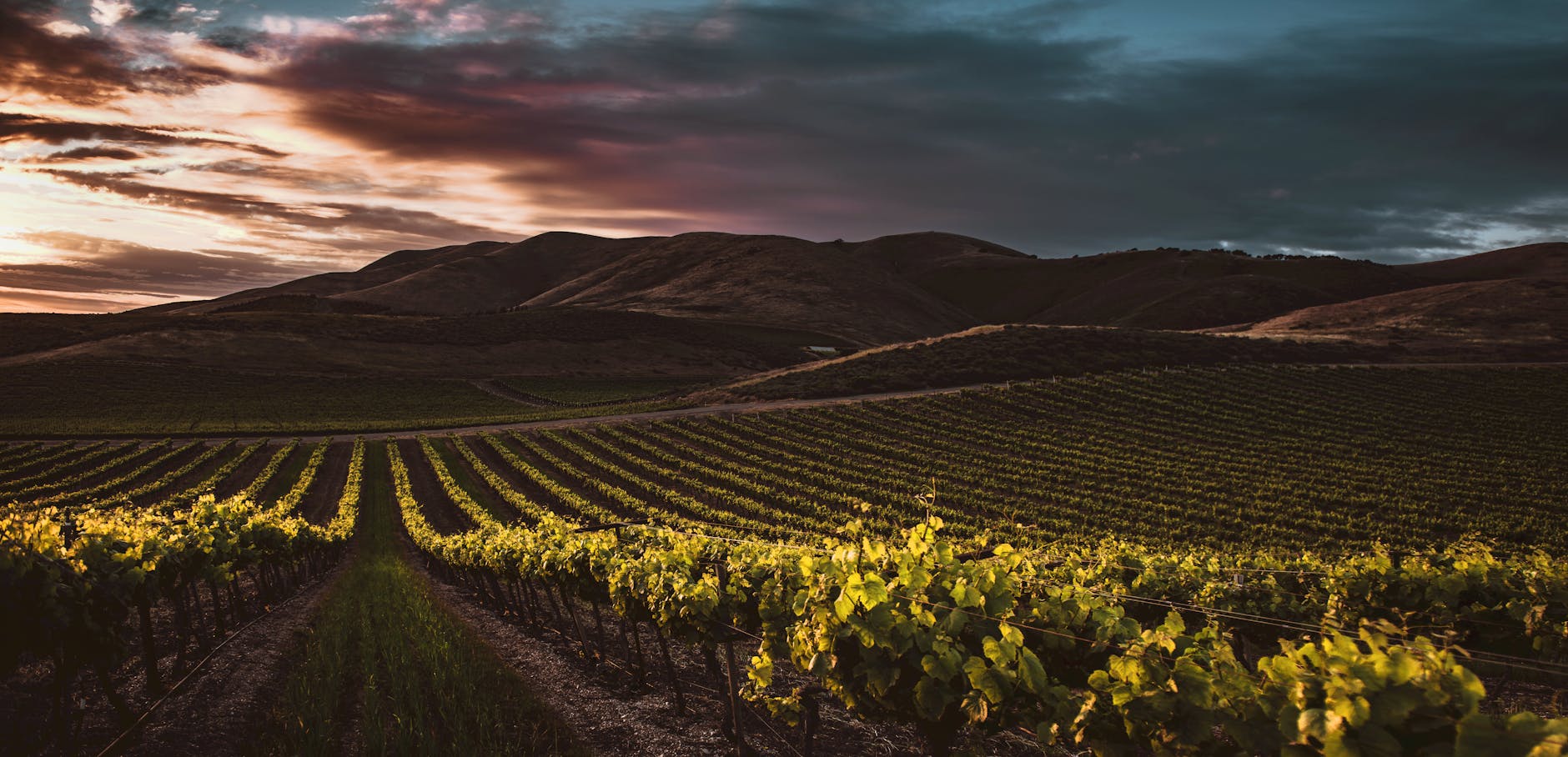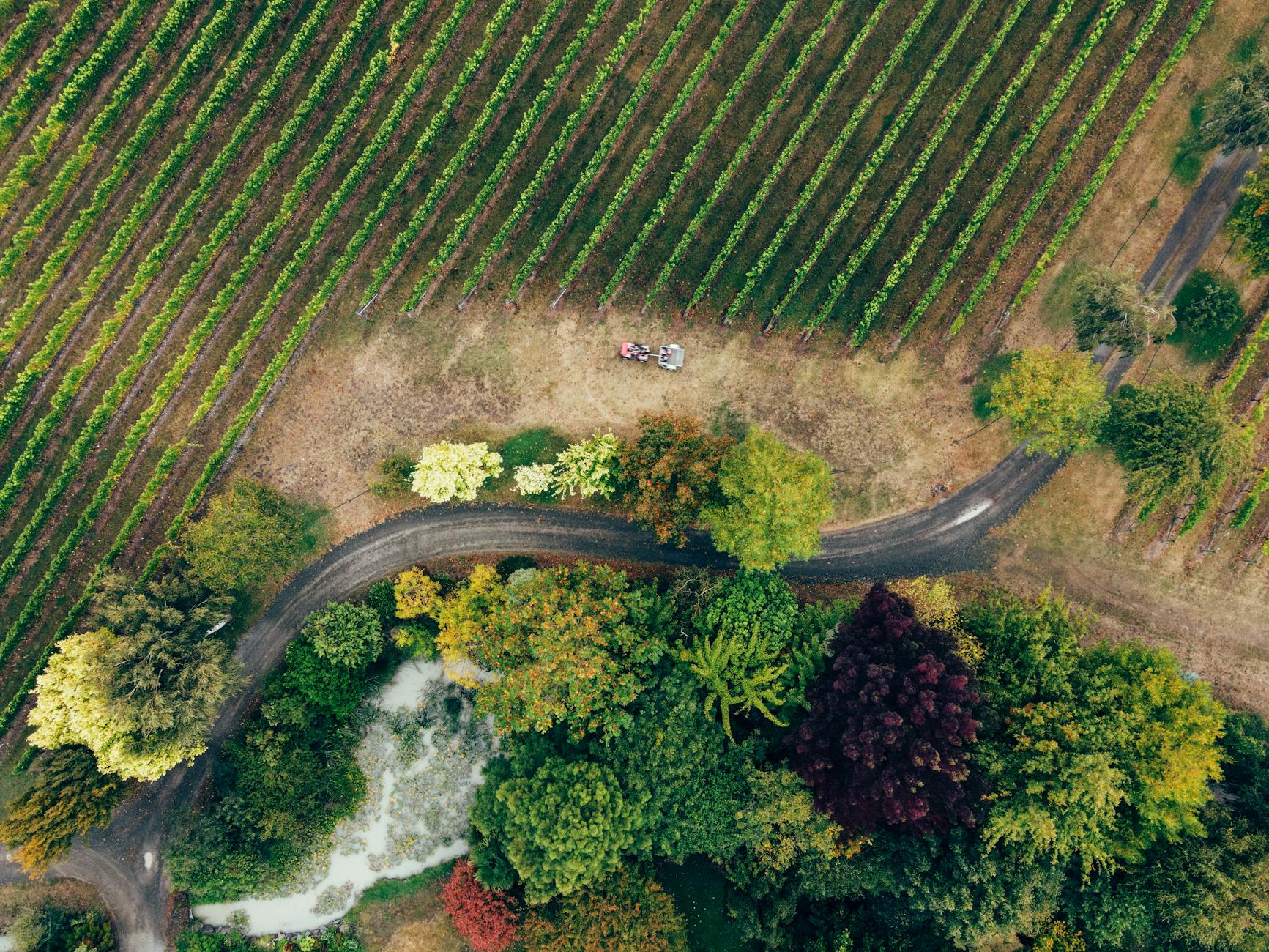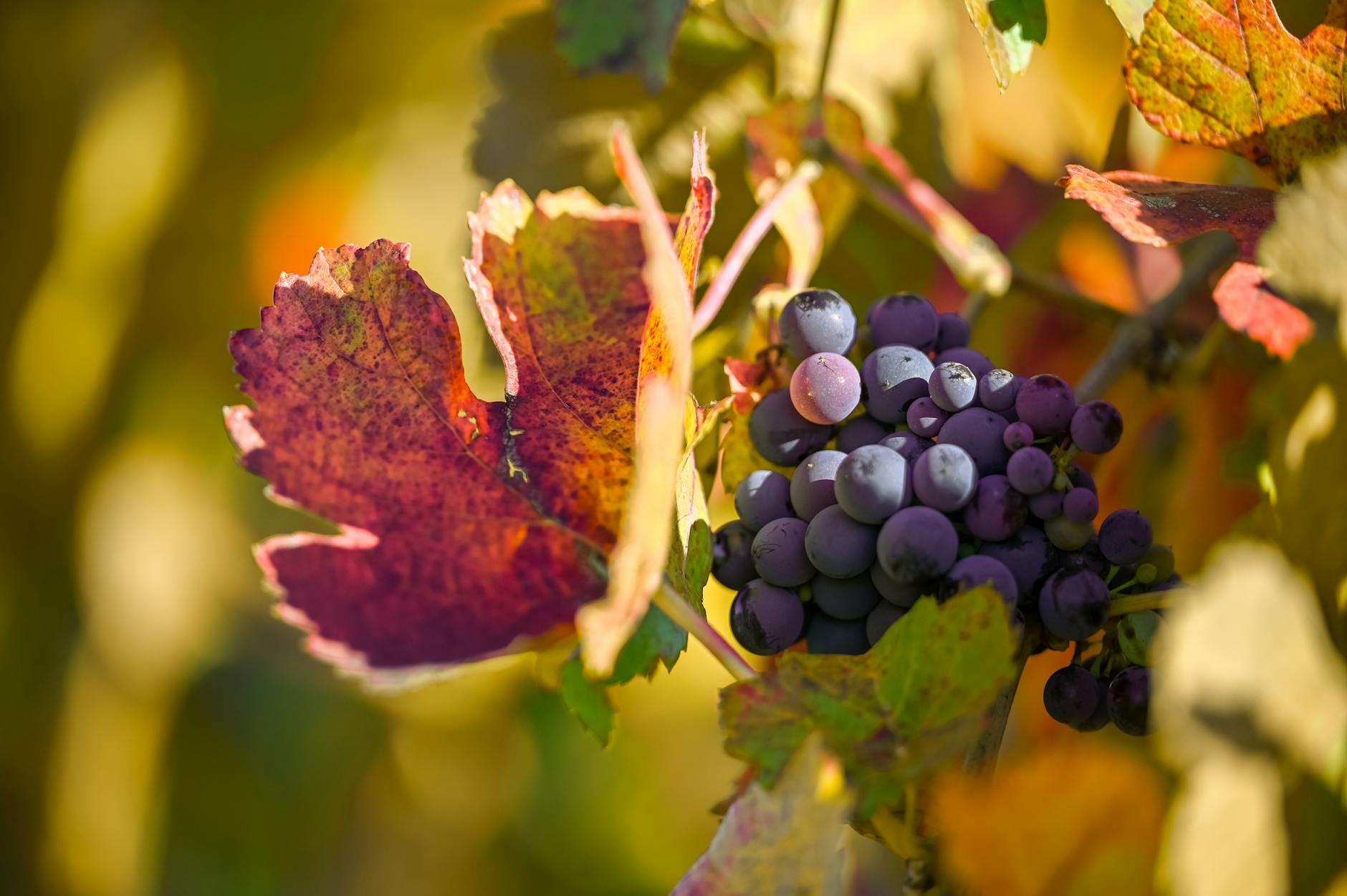
There is no more exciting time to be in Napa Valley than harvest. For a few intense weeks in late summer and early autumn, the entire valley shifts into a higher gear. Tractors haul bins of fruit down the rows at dawn, the air around the wineries turns sweet with the smell of fermenting grapes, and the people who make the wine trade sleep for the chance to bring in a great vintage. Locals call it the crush, and it is the beating heart of the wine calendar.
If you are planning a visit during the 2026 harvest, this guide will help you understand what is happening in the vineyards, roughly when to expect the action, and how to turn a well-timed trip into one of the most memorable wine country experiences you can have.
What Harvest Actually Is
Harvest is simply the period when the grapes are picked. But the timing is everything, and it is the product of a year of careful watching. Winemakers and growers spend the weeks leading up to harvest walking the rows, tasting berries, and measuring sugar, acid, and the ripeness of the seeds and skins. The decision of exactly when to pick each block of each vineyard is one of the most consequential a winemaker makes all year.
Pick too early and the wine can taste green and underripe. Pick too late and it can turn jammy and lose its freshness. The narrow window when everything aligns is what every grower is chasing, and the chase is what gives harvest its urgency.
How the Growing Season Shapes the Vintage
Every vintage tells the story of its growing season. A cool, even summer tends to produce wines with bright acidity and restraint. A warm year pushes ripeness and can yield bigger, more powerful wines. Late-season heat spikes, early rains, and wildfire smoke are the variables that keep growers up at night, and each of them can shape the character of a vintage in lasting ways.
By the time you read this in 2026, the early part of the growing season will have set the stage. The pattern that matters most is the spring, which determines how the vines flower and set fruit, followed by the consistency of the summer warmth. A long, moderate ripening period without extreme heat is generally considered ideal, allowing the grapes to develop full flavor while keeping their natural acidity intact.
It is worth remembering that Napa Valley is not one climate but many. The cool, bay-influenced southern end around Carneros and Coombsville ripens later than the warm northern end around Calistoga. That spread means harvest does not happen all at once; it rolls through the valley over many weeks, region by region and variety by variety.
The Harvest Timeline
As a general rule, the sparkling wine producers pick first, often beginning in August, because the grapes for sparkling wine are harvested at lower sugar levels to preserve acidity. The cool-climate white grapes and Pinot Noir of Carneros typically follow.
The valley's signature Cabernet Sauvignon, which needs the longest hang time to ripen its thick skins fully, generally comes in last, often stretching from late September into October and sometimes beyond. In a cooler year the whole sequence shifts later; in a warm one it can start surprisingly early. For 2026, the safest assumption for a visitor hoping to catch Cabernet harvest is to aim for late September through the middle of October.
What It Is Like to Visit During Crush
Visiting during harvest is a sensory experience unlike any other time of year. Many wineries are actively processing fruit while guests are tasting, which means you may see the sorting tables in action, watch grapes being destemmed, or smell the carbon dioxide rising off a freshly fermenting tank. Some estates offer special harvest-season experiences, from blending seminars to grape-stomping events to early-morning vineyard tours that let you walk the rows as the pickers work.
There is a tradeoff, though. Harvest is also the busiest and most expensive time to visit. Hotel rates peak, reservations are hardest to come by, and the winery staff, while gracious, are genuinely busy with the work of the vintage. The energy is unbeatable, but it requires more planning than a quiet winter trip.
How to Plan a Harvest Trip
The single most important rule is to book early. Harvest is peak season, and the best wineries and hotels fill up months in advance. If a harvest visit is your goal for 2026, secure your lodging and your marquee tasting reservations as far ahead as you can, ideally by midsummer.
Be flexible about exactly which wineries are crushing on the day you visit, because the schedule is dictated by the fruit, not the calendar, and a block that was supposed to be picked Tuesday may come in on Thursday instead. When you book, it is worth asking whether the winery expects to be actively processing during your visit, though no one can promise anything months out.
As always, arrange transportation so that no one in your party has to choose between tasting and driving. A private driver or a small-group tour is the safest and most relaxing way to experience the valley, and never more so than during the heightened activity of harvest. Our visitor guide covers transportation, etiquette, and budgeting in detail.
The Payoff
For all its crowds and its premium prices, harvest remains the season that wine lovers dream about. To stand in a Napa Valley winery in early October, glass in hand, watching a year of work culminate in the bins of fruit coming through the door, is to understand wine in a way that no amount of reading can teach. If you can plan around the timing and book well ahead, the 2026 harvest may well be the trip that turns a casual interest in wine into a lifelong passion.