One of the few Spring Mountain estates specializing in Merlot. Just 4 acres at 2,200 feet produce a mountain Merlot of structure and intensity that challenges the grape's easygoing reputation.
Paloma Vineyard is one of the few Spring Mountain estates dedicated to Merlot, producing the variety at 2,200 feet elevation where mountain conditions create a wine that bears no resemblance to the soft, simple Merlots that gave the variety a bad reputation. Founded in 1994, the estate occupies just 4 acres of steep hillside, planted to Merlot and a small block of Cabernet Sauvignon on the thin volcanic soils that define the appellation. The mountain Merlot is the estate's mission: proving that the variety, when grown at altitude on volcanic soils, can produce wine of genuine power, structure, and aging potential.
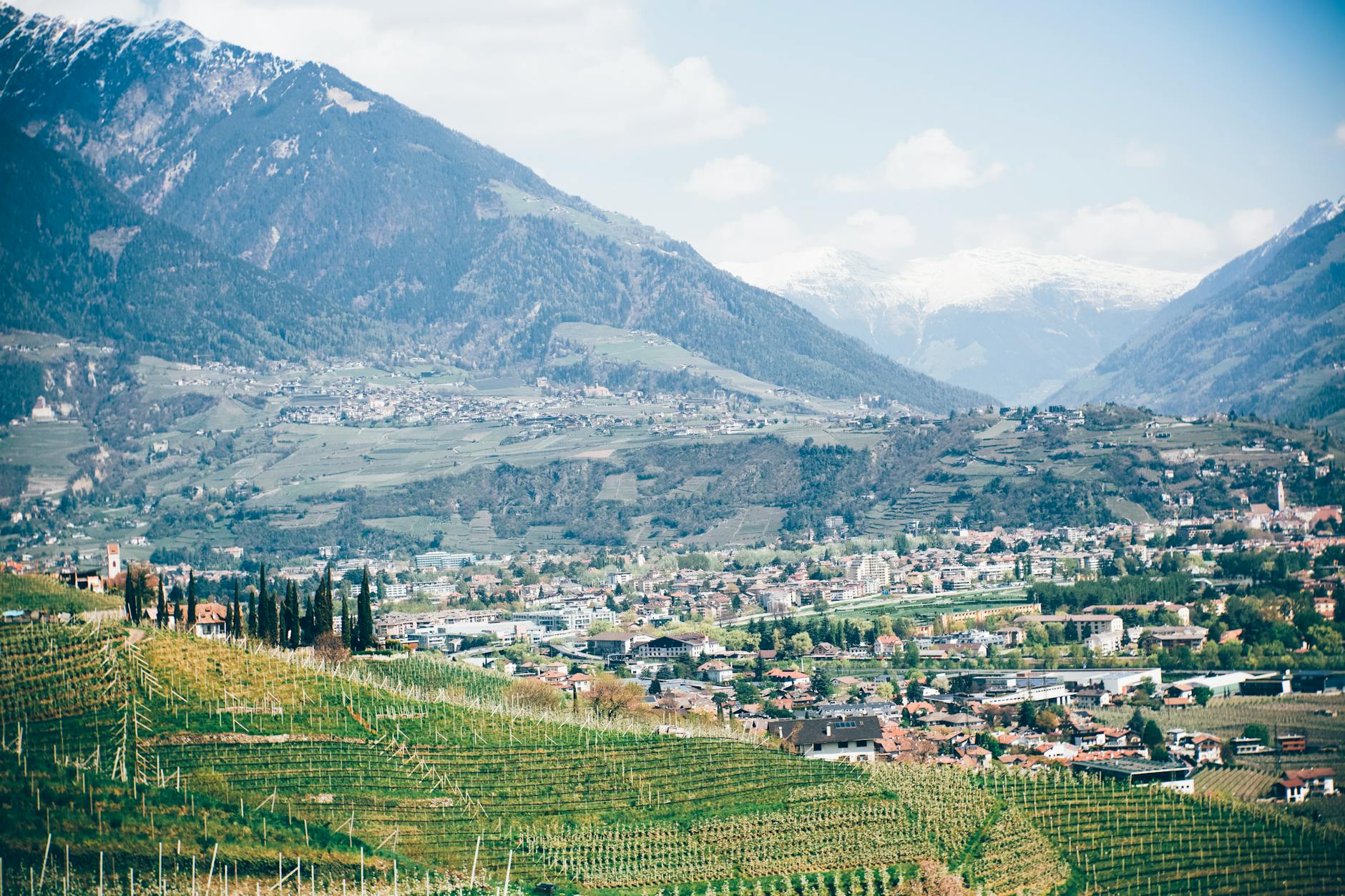
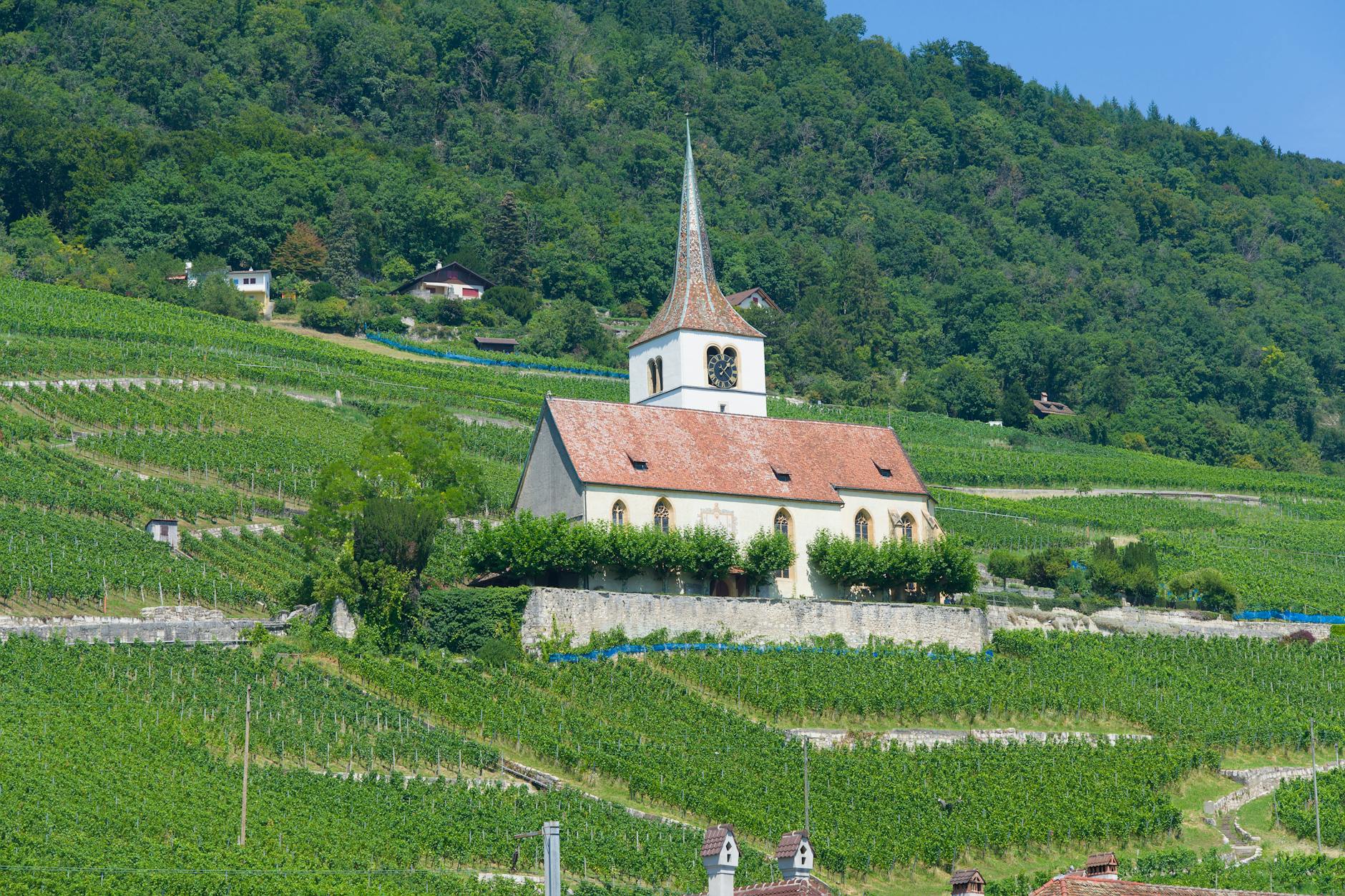
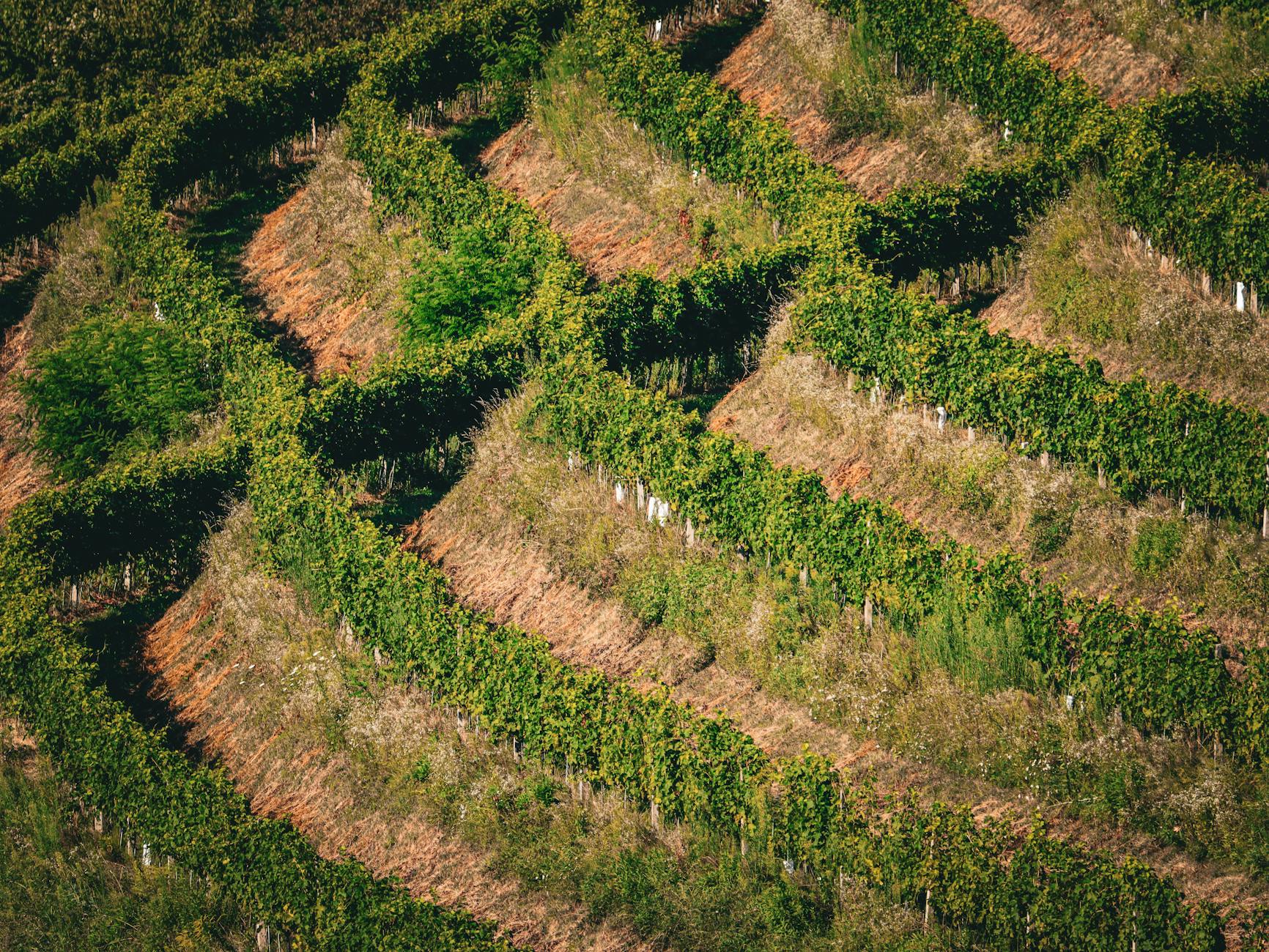
The 4-acre vineyard sits at 2,200 feet on the western slopes of Spring Mountain, one of the highest vineyard plantings in the appellation. The thin volcanic soils, intense sunlight, and wide temperature swings create conditions of extreme stress that produce Merlot of unprecedented concentration and tannic structure. At this elevation, Merlot behaves nothing like the plump, fruity variety of the valley floor; it becomes dark, firm, and mineral-driven, a mountain wine that demands cellaring.
Winemaker Phillip Titus produces a Merlot that challenges every assumption about the variety. The wine is dark and tannic, with a mineral intensity and firm structure that more closely resembles mountain Cabernet than the typical soft, approachable Merlot. The mountain terroir transforms the variety into something unrecognizable to visitors who associate Merlot with easy-drinking fruitiness. A small amount of Cabernet Sauvignon rounds out the portfolio.
Tastings are by appointment and require the drive up Spring Mountain Road. The 4-acre vineyard is visible from the tasting area, and the mountain setting provides context for understanding why the wines taste so different from valley-floor Merlots. The $65 fee includes the mountain Merlot and the revelatory experience of tasting the variety at its most extreme.
Paloma matters because it proves that Merlot, when given the same mountain terroir that Cabernet Sauvignon receives, can produce wines of equal power and complexity. The 4-acre estate is a one-wine argument against the anti-Merlot prejudice, and every bottle is evidence that the variety's reputation problem is a terroir problem, not a grape problem.
Contact the winery for full details about this experience, including availability and any special requirements.