Most visitors picture Napa Valley in summer: golden hillsides, warm afternoons, terraces crowded with tasters. Fewer think to come in January. But ask the people who live and work in the valley when they would choose to visit, and a surprising number will tell you the same thing. The quiet season, the stretch of cool, often rainy months after the holidays, may be the best time of all to experience wine country.
Winter strips Napa Valley back to something more intimate. The crowds thin, the pace slows, the hillsides turn a vivid green, and the wineries that are fully booked in July suddenly have time to talk. For the visitor who values depth over spectacle, it is a season worth seeking out.
The Case for the Off-Season
The single biggest difference in winter is the absence of crowds. The summer and harvest months draw enormous numbers of visitors, which means competition for reservations, busy tasting rooms, traffic on the valley's two main roads, and peak-season prices on everything from hotels to tasting fees. Winter inverts all of that.
With far fewer visitors, you can often secure appointments at sought-after estates on short notice, linger longer at each stop, and enjoy a level of personal attention that is simply impossible when the tasting room is packed. The experience becomes calmer, more spacious, and in many ways more rewarding.
Time with the Winemakers
Harvest ends in the autumn, and with it the most frantic period of the winemaking year. By the time winter arrives, the wines are in barrel, the vineyards are dormant, and the people who run the wineries finally have room to breathe. That has a direct benefit for visitors: the winter months are when you are most likely to find a winemaker or owner actually present in the tasting room, with the time and inclination to talk.
A conversation with the person who made the wine, in an unhurried setting, is one of the most memorable things that can happen on a wine country trip, and it happens far more often in January than in July. The quiet season is, in a real sense, the connoisseur's season.
A Different Kind of Beauty
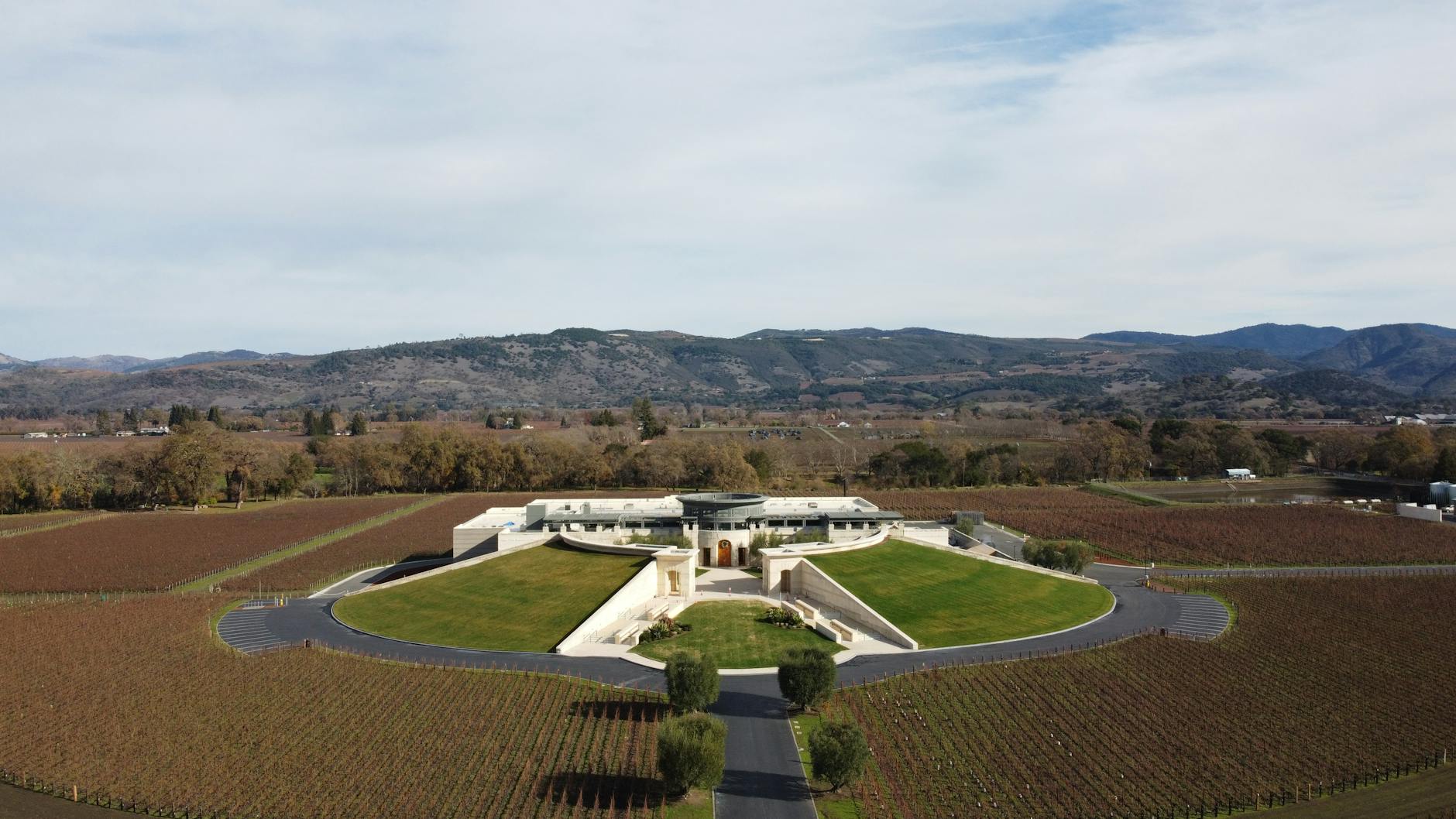
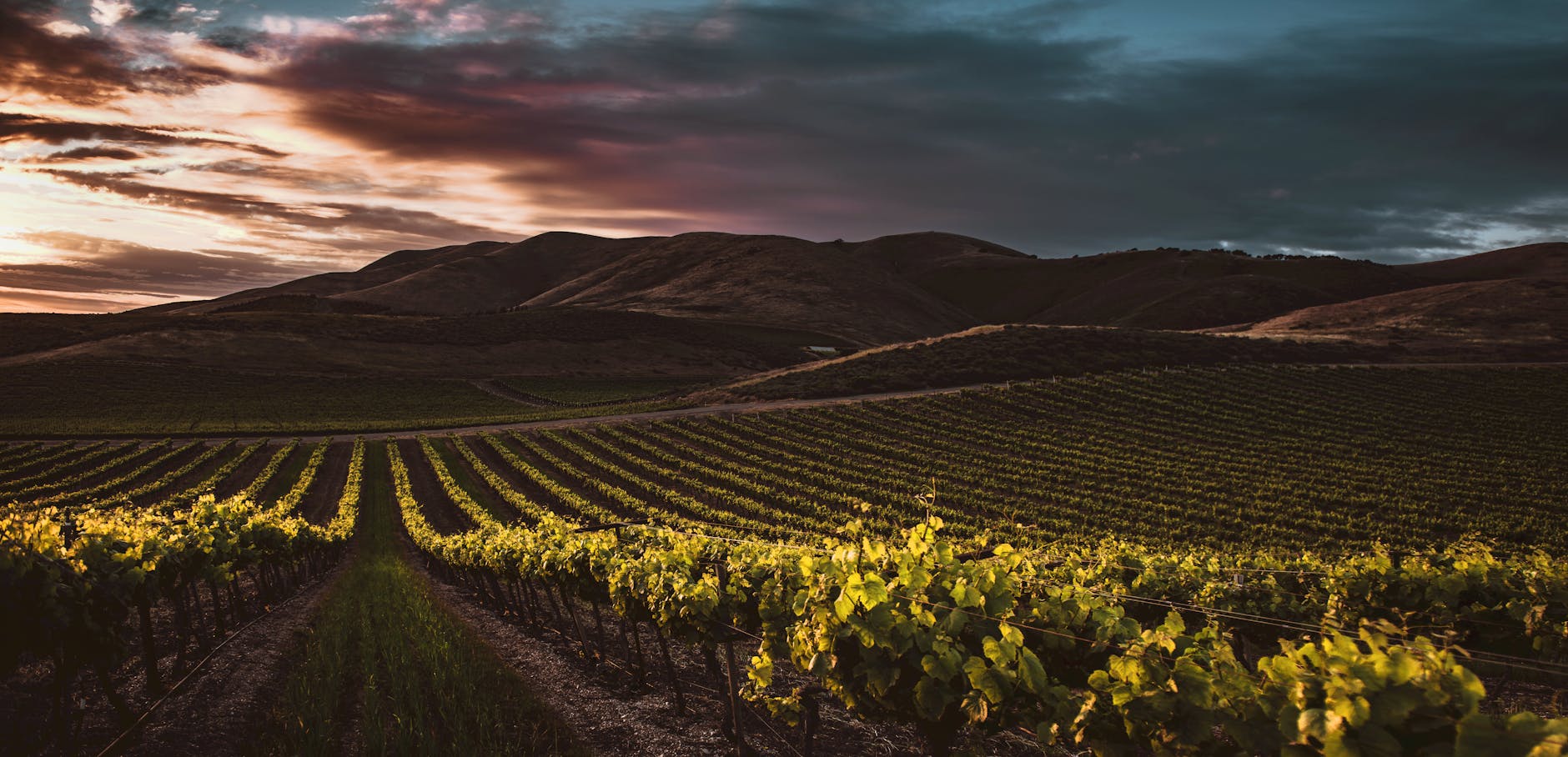
The winter landscape has its own quiet drama. The rains turn the valley and its hillsides a deep, lush green, a striking contrast to the golden-brown of late summer. The bare vines stand in stark, geometric rows, revealing the structure of the vineyards that the summer canopy conceals. Mist settles in the low spots in the mornings, and the surrounding mountains often wear a cap of cloud.
It is a more contemplative kind of beauty than the postcard summer, and many who experience it come away preferring it. There is something about a green Napa hillside under a moody winter sky that the bright, busy summer simply cannot offer.
Cozy Indoor Pleasures
Winter shifts the experience indoors, and Napa Valley is well suited to it. This is the season for tastings beside a crackling fire, for long lunches that stretch into the afternoon, and for the kind of slow, warming meals that feel right when there is a chill in the air. The valley's restaurants take on a snug, intimate quality, and a glass of robust Cabernet feels perfectly matched to the weather.
Calistoga, at the northern end of the valley, adds another winter draw: its famous hot springs and geothermal spas. There are few better ways to end a cool, drizzly day of tasting than soaking in a warm mineral pool, and the off-season is the ideal time to enjoy it without the summer crowds.
Winter Wines to Seek Out
The season also shapes what tastes best in the glass. Winter is when the valley's bold, structured red wines come into their own, the powerful Cabernets and Bordeaux-style blends that can feel almost too weighty on a hot summer afternoon but are perfectly matched to a cool, gray day and a warm room. A robust mountain Cabernet by the fire is a different and arguably better experience than the same wine on a sunbaked terrace in August.
It is also a fine time to explore library and older-vintage offerings, which some wineries pour more readily when the tasting room is calm and there is time to talk through them. Tasting an aged Cabernet alongside its younger sibling, with the winemaker on hand to explain what the years have done, is exactly the kind of unhurried experience the quiet season makes possible.
Practical Notes for a Winter Visit
A winter trip does call for a little preparation. The weather is cooler and often wet, so pack layers and a rain jacket and be ready for the possibility of rain, especially in January and February. Daylight is shorter, which means starting your tasting day a bit earlier to make the most of the light. And while crowds are thinner, it is still wise to confirm hours and book ahead, because some smaller wineries reduce their schedules or close briefly in the deep off-season.
As in any season, arrange transportation so no one has to choose between tasting and driving, and watch the roads in wet weather. With those small adjustments, a winter day in the valley unfolds at a gentle, generous pace. Our tasting guide covers transportation, etiquette, and planning in more detail.
The Quiet Season Reward
Napa Valley in winter asks a little more of the visitor, a rain jacket, an earlier start, a willingness to trade sunshine for green hills and gray skies. In return, it offers something the peak months cannot: space, quiet, time with the people who make the wine, and a valley that feels, however briefly, like it belongs to you. For travelers who want to understand Napa rather than simply photograph it, the quiet season is the secret worth keeping. Start planning your visit through our winery directory.